
With thanks to Chris Coleman @ Surrey Cricket Foundation
Long-Term Thinking, Local Cricket: Inside the Surrey Merger with Chris Coleman
When you think about the future of recreational cricket in England, it’s easy to get lost in the noise — too many leagues, too many formats, not enough pitches, and volunteers burning out trying to hold everything together. But what if we told you that one county might be quietly building a model the rest of the country could follow?
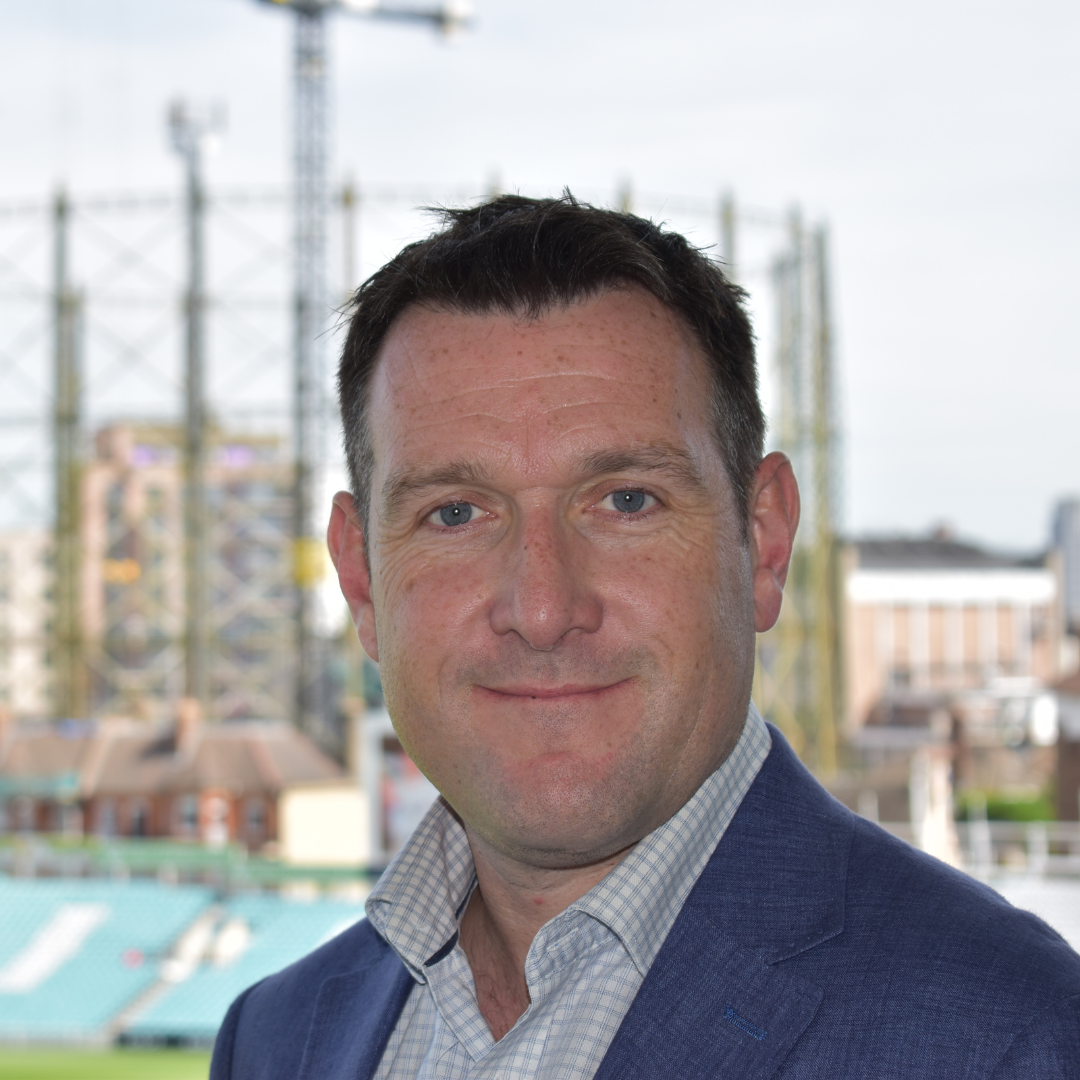
We caught up with Chris Coleman, Director of the Surrey Cricket Foundation, for a wide-ranging chat on the merger of leagues in Surrey, the drive for sustainability, and why putting players first isn’t just a slogan — it’s a strategy.
What followed was one of the most insightful conversations we’ve had — a glimpse into how local cricket can evolve without losing its heart.
From Patchwork to Pyramid: Reshaping the Structure
Surrey’s adult league cricket has undergone a major restructure, reducing 26 countywide divisions down to four tiers — all under one pyramid, one framework, one future.
It wasn’t easy. “It was a pretty rocky journey, particularly towards the end,” Chris admits. “Some people with a lot of history in the leagues understandably felt nervous. But we weren’t tearing things up — we were progressing the game to make sure it stays relevant.”
The turning point? A phone call from a league president whose club’s roller had broken. The Foundation helped fund a replacement, and that practical support sparked a conversation about doing more — and doing it together.
“It showed what could be achieved when we pooled our efforts. From that moment, the idea of a merged structure really started to gain traction.”
Consultation, Not Control
Chris is clear: this wasn’t a takeover by the Foundation.
“The narrative at the end started to become ‘this is Chris Coleman’s agenda’ — but that couldn’t be further from the truth. This came from clubs and leagues. We were the support act, the enabler.”
The Foundation facilitated endless rounds of consultation, drew up more than 20 drafts of the new structure, and crucially, made sure teams knew what they were playing for before the 2024 season began.
“No one wants to finish sixth thinking the season was over, only to find out that was actually a promotion spot,” Chris explained.
The result? A system that’s not perfect — but far more player-focused, balanced, and built for growth than what came before.
Players First, Always
At the heart of the restructure is a fundamental shift: formats that work for the players.
Premier and Division One will stick with a split season (part win/lose, part draw), while Division Two downward has shown overwhelming support for limited overs cricket. There’s even a sliding scale of overs and ball quality across divisions to ensure each level feels right for the standard and commitment of players involved.
“It’s not rocket science,” Chris said. “Clubs want less travel. Players want formats that match their needs. We’ve gone from 26 county wide divisions across the county to just three, and the other 35 divisions are all regionalised cutting down travel while offering more consistency.”
And while there are non-negotiables at the top, such as the split season in the Premier League (mandated by the ECB), most changes have come directly from listening to what clubs and players wanted.
Format, Flexibility, and the Future
Interestingly, the debate around formats in the middle divisions came down to one vote. Out of 57 eligible, 56 cast a ballot — and it ended 28–28.
“We were literally chasing the 57th vote,” Chris laughed. “But it shows how passionate people are about what format they want to play — and that’s a good thing.”
The Foundation isn’t blind to the inconsistencies across the country. Chris notes that even within Yorkshire, you’ve got five Premier Leagues all playing different styles.
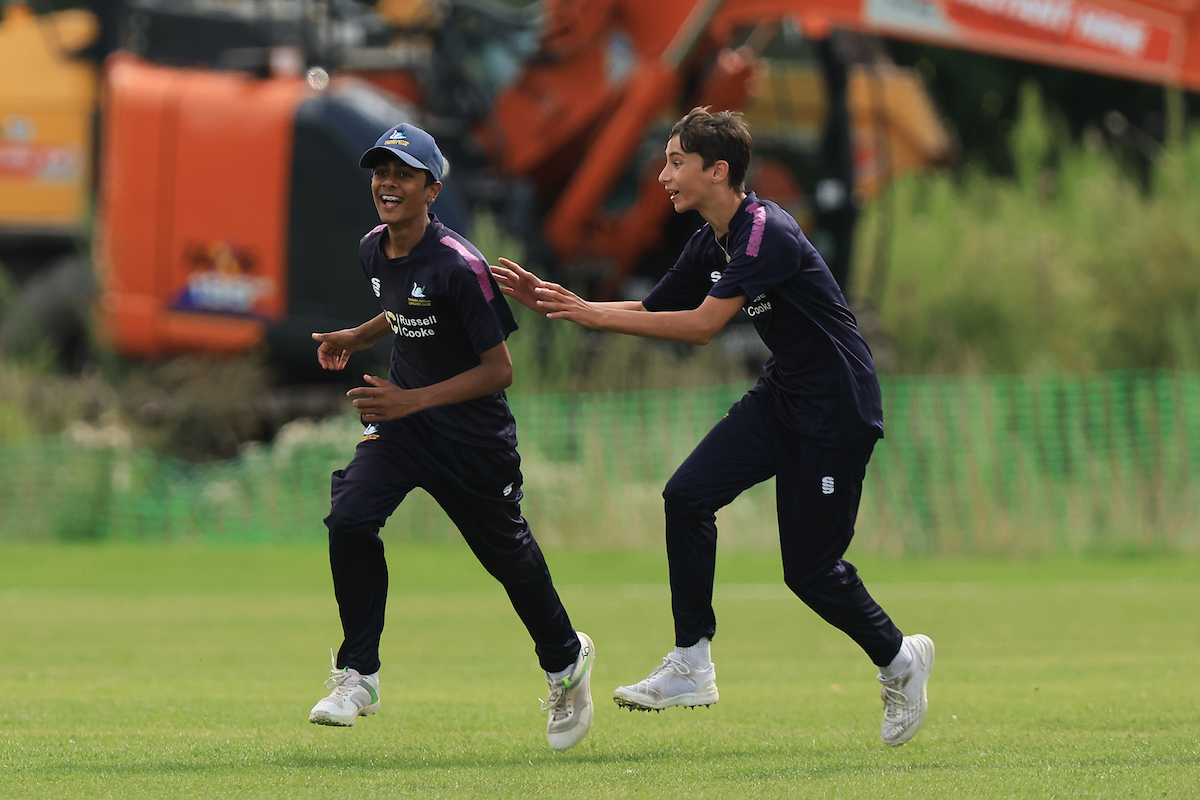
“Our role isn’t to dictate — it’s to help shape a system where formats evolve with the players,” he added. “Premier League and Division One need to challenge players like Tom Lawes and Jamie Smith. But lower down, it’s about making cricket accessible, enjoyable, and local.”
The Power of Paid Support
One of the most refreshing aspects of the Surrey model is how it blends volunteer energy with professional coordination.
“We’re lucky,” Chris said. “Because of the merger and economies of scale, we now have a paid league administrator, a comms team, sponsorship leads — the infrastructure that lets volunteers focus on the stuff they enjoy.”
And the scale is staggering. In 2023 alone, the Foundation helped coordinate over 15,000 games of cricket. On four separate weeks in June, they delivered 1,000 games a week.
“When you break it down — the selection, pitch prep, umpiring, kit, travel — it’s a monster. And we charge clubs £25 to enter a junior league. That’s a bargain.”
This isn’t about stripping control away from clubs. There’s still a disciplinary committee, club-led decisions, and full transparency on league finances.
“It’s a ring-fenced pot,” Chris clarified. “Salaries are paid for by league entry, ball deals, fines, and sponsorships. This isn’t subsidised by the county — it’s funded by the clubs, for the clubs.”
Facilities: The Hidden Crisis
If formats are the public debate, then facilities are the quieter crisis affecting grassroots cricket.
“In South London especially, we’ve got huge waiting lists for clubs who could field more teams, but can’t find pitches,” Chris said. “Some of our biggest clubs — putting out six or seven sides — are letting players down every week because there’s nowhere to play.”
The Foundation has started working directly with councils to manage pitch allocation — creating one central point of contact instead of random tombola-style booking systems.
“We’ve told councils: give us your spreadsheet. We’ll speak to the clubs, fill in the fixtures, give you contact info — and you just send out the invoices. And they’ve gone, ‘Yes please.’”
That flexibility is key to long-term growth. Whether it’s using school pitches part-time or offering social leagues that don’t require full season commitment, the goal is clear: get more people playing cricket.
Scale & Support Without Squeezing
Surrey’s club landscape is unique. While other counties may have 600+ clubs, Surrey has under 200 — but many of them are massive. Four of the five biggest women and girls clubs in the country are here, and some junior sections boast over 1,500 players.
But bigger doesn’t mean better for everyone. Chris is quick to highlight the need to protect small clubs too.
“If a second XI from a big club takes a council pitch, what happens to the single-team club who now has nowhere to go? That’s why we’re managing this centrally — to make sure we don’t lose diversity in the game.”
Building a Full Pathway — From All Stars to Adults
One of the Foundation’s biggest successes is its full-journey approach. From All Stars and Dynamos through junior leagues, senior club cricket, and walking cricket — the path is mapped out clearly.
“If you join cricket in Surrey, it’s not a maze. There’s a route for you, whatever your age or ability. And that continuity helps us support clubs and grow the game properly.”
Chris highlighted the importance of building this from primary school upward — noting that if you haven’t got boys into cricket by age 11, the chances of doing so later drop massively.
“Participation surged post-COVID, especially in juniors. We’ve now got teenagers from the first wave of All Stars coming through to senior cricket — and that’s exactly what we need.”
Money, Mergers, and the Bigger Picture
When we asked if this model could work elsewhere, Chris didn’t hesitate.
“Yes — but it depends on personalities. You need the right people willing to put aside ego and history. It can be messy, but the benefits are huge.”
While not every region has Surrey’s resources, many of the approaches are scalable: flexible leagues, shared pitch booking, professional administration, and strong club consultation.
Chris is honest about the challenges too. The ECB’s hands-off approach to some league structures has led to inconsistency. Rules about formats, overseas players, and paying players vary wildly across the 33 Premier Leagues.
“There’s a place for local decision-making,” he said. “But there are also areas — like junior pitch lengths, ball sizes, and safeguarding — that need consistency across the board.”
Final Thoughts: This Isn’t a Takeover — It’s a Partnership
Chris summed it up perfectly: “This isn’t about us sat at The Oval deciding what local cricket should look like. It’s about listening to clubs, understanding what players want, and delivering support that helps make it happen.”
From reducing travel and simplifying structures, to tackling pitch shortages and offering paid admin support — Surrey’s model is fast becoming one of the most thoughtful, ambitious blueprints for grassroots cricket in the country.
It’s not perfect. And it’s not finished. But it’s a bold step in the right direction.
Let’s Grow the Game, Together
Cricket doesn’t live in spreadsheets or central offices — it lives on village greens, in WhatsApp groups, and at the heart of every club that runs a junior session, opens the bar, or fixes a broken sight screen.
If your club, league, or county is doing something worth shouting about — or wrestling with challenges that need solving — we want to hear from you.
📧 Drop us a line
🎙️ Join us on the pod
🌍 Share your story
Let’s build the future of grassroots cricket — one club, one league, one community at a time.


